Have you ever opened your suitcase mid-trip, only to find a chaotic jumble of charging cables, toiletries, and stray socks? The quest for organized travel often focuses on optimizing large garments, but it’s the multitude of small essentials that frequently turns an otherwise tidy bag into disarray. This is where small packing cubes become your ultimate travel ally. Far more than just miniature versions of their larger counterparts, these compact organizers are specifically designed to tame the tiny titans of your luggage, transforming your packing routine and ensuring everything has its rightful place. From minimalist adventurers to families juggling numerous small items, mastering the art of the small packing cube is key to a seamless journey.
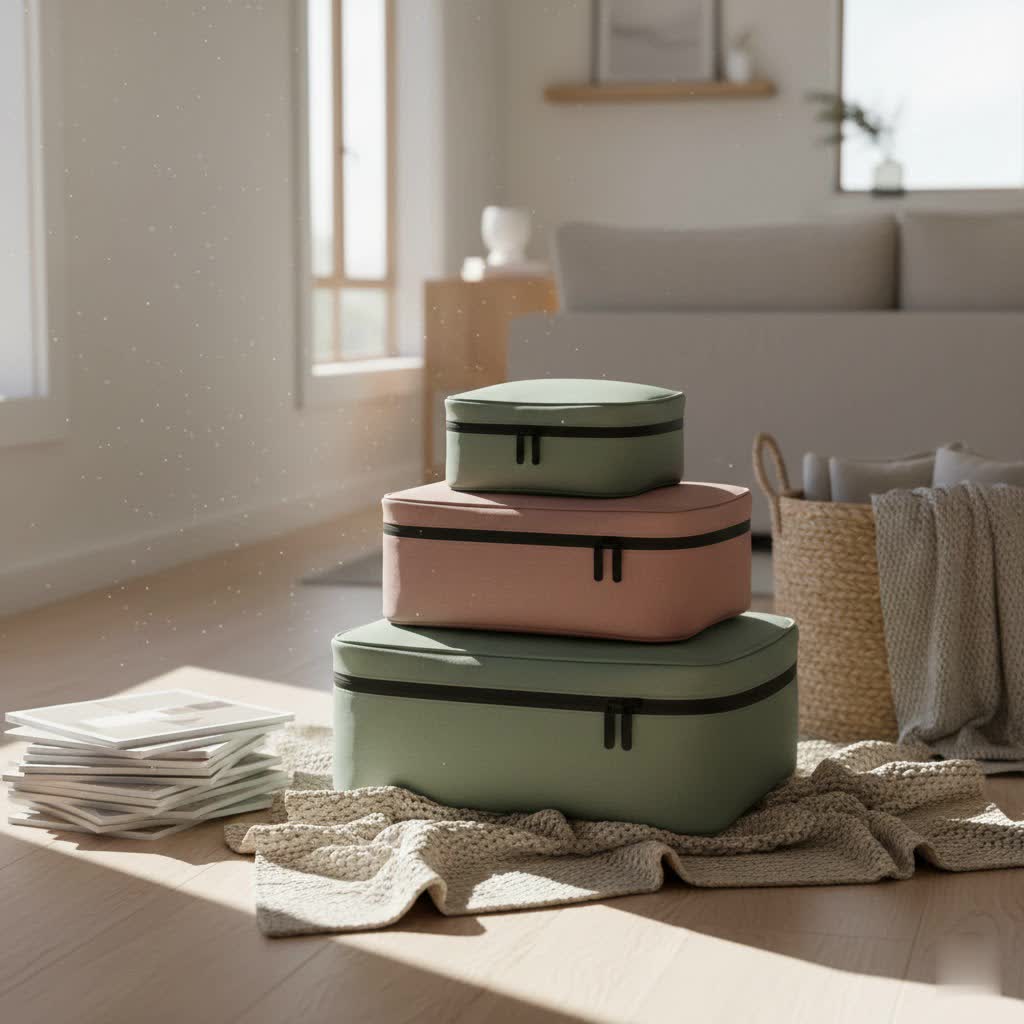
The Undeniable Benefits of Small Packing Cubes
While all packing cubes enhance organization, their smaller iterations bring distinct advantages, particularly for items that often get lost or tangled in larger compartments.
- Pinpoint Organization for Small Essentials: Small packing cubes excel at categorizing those elusive items like underwear, socks, jewelry, and individual toiletries. Instead of rummaging through your main luggage, you can simply grab the designated cube for what you need, saving time and frustration.
- Optimized Space Efficiency in Every Nook: These compact organizers are masters of fitting into the gaps and awkward spaces within your luggage, carry-on, or backpack. They allow you to utilize every inch, transforming otherwise wasted space into valuable storage for small, yet essential, gear.
- Enhanced Protection for Valuables and Delicates: By isolating smaller items, packing cubes act as a protective barrier. Delicate jewelry, sensitive electronics, or even that tiny glass perfume bottle are safeguarded from jostling, potential spills, or general wear and tear during transit. They also keep dirty laundry separate, maintaining hygiene.
- Time-Saving Convenience and Seamless Transfers: Imagine needing a charging cable at the airport or a specific toiletry upon arrival. With small cubes, these items are instantly accessible. This segmented organization also makes transferring items between bags—like moving essentials from a main suitcase to a daypack—remarkably efficient.
- Versatility Beyond Travel: Small packing cubes aren’t just for globetrotters. They seamlessly transition into home organization, perfect for tidying drawers, organizing craft supplies, or managing kids’ small toys, extending their utility long after your trip ends.
What to Pack: Maximizing Your Small Packing Cubes
The true power of small packing cubes lies in their ability to organize items that traditional packing methods often overlook.
For Personal Essentials
|
Our Picks for the Best Packing Cubes in 2026
As an Amazon Associate I earn from qualifying purchases.
|
||
| Num | Product | Action |
|---|---|---|
| 1 | BAGAIL 4 Set/6 Set/8 Set Compression Packing Cubes Travel Accessories Expandable Packing Organizers (Half Mesh, 6-Black) |

|
| 2 | HOTOR Packing Cubes for Suitcases - 6 Pieces, Light Packing Cubes for Travel, Premium Suitcase Organizer Bags Set, Space-Saving Luggage Organizers, Travel Accessories and Essentials, Black |
|
| 3 | 10 Set/8 Set Packing Cubes for Travel, Gifts for Women Mom,Anti-Tearing Suitcase Organizer for Luggage with Shoe & Hanging Toiletry Bag,OlarHike Vacation Essentials & Accessories for Cruise Ship,Cream |
|
| 4 | 10 Set Compression Packing Cubes for Travel Essentials,Compressible Expandable Packing Cubes for Suitcase,OlarHike Luggage Organizer Bags for Travel,Handy Helper for Organizing Clothes(Black) |
|
| 5 | Aerotrunk Compression Packing Cubes for Travel - Luggage Organizer Bags - Double Zipper Packing Cubes for Suitcases (4-Pack, Rose) |
|
| 6 | Amazon Essentials 4-Piece Packing Cubes Travel Accessories Set, Luggage Organizer with Double Zipper, Mesh Top, 100% Polyester, Small, Black (Previously Amazon Basics) |
|
| 7 | Shacke Premium 5 Packing Cubes Set - Lightweight Mesh Travel Luggage Organizers with Laundry Bag, 5-Piece Suitcase Storage System (Black) |
|
| 8 | BAGAIL 6 Set/8 Set/10 Set Packing Cubes Various Sizes Packing Organizer for Travel Accessories Luggage Carry On Suitcase |
|
| 9 | BAGAIL 8 Set Packing Cubes Luggage Packing Organizers for Travel Accessories-Cream |
|
| 10 | Veken 10 Set/8 Set Packing Cubes for Travel Essentials, Suitcase Organizer Bags in 4 Sizes, Carry-On Luggage Accessories with Laundry & Toiletry Bag, Airplane Must-Have, Road Trip & Camp Gifts for Men |
|
Small cubes are perfect for grouping daily necessities. Dedicate one for underwear and socks, another for bras or intimates. This keeps these items neatly folded or rolled, preventing them from scattering throughout your suitcase and making them easy to grab each morning.
For Toiletries and Cosmetics
A dedicated small, often water-resistant, packing cube can revolutionize your toiletry game. Pack your travel-sized shampoos, conditioners, lotions, and makeup brushes here. This not only keeps them organized but also provides a crucial barrier against potential leaks or spills that could damage other contents in your luggage.
For Tech Gear and Cables
The bane of many travelers is the tangled mess of electronics. Small packing cubes are ideal for consolidating your charging cables, power banks, adapters, headphones, and USB drives. A mesh-top cube allows you to see the contents at a glance, ensuring you always grab the right cord.
For Accessories and Jewelry
Protect your precious accessories by giving them their own space. Use small cubes for jewelry, watches, hair ties, sunglasses cases, or other small fashion accessories. This prevents items from getting scratched, tangled, or lost, keeping them in pristine condition.
Specialty Items and Miscellaneous
Think beyond the obvious. Small packing cubes are excellent for first-aid kits, medications, small sewing kits, art supplies, or even small toys for children. For parents, separating baby essentials like pacifiers, small bibs, or tiny socks into individual cubes can be a lifesaver.
Types of Small Packing Cubes to Consider
While the basic concept remains the same, small packing cubes come with variations that cater to different needs and preferences.
Standard Small Cubes
These are the most common type, typically made from lightweight, durable fabrics like nylon or polyester, often with a mesh panel for breathability and visibility. They’re great for general organization and come in various dimensions to fit different items. Their unstructured nature allows some flexibility when fitting into odd spaces.
Small Compression Cubes
For travelers looking to maximize every bit of space, small compression packing cubes are a game-changer. These cubes feature an additional zipper that, once the main compartment is packed, cinches down to squeeze out excess air and reduce the cube’s volume. They are particularly effective for slightly bulkier small items or when you need to condense multiple smaller garments.
Water-Resistant and Specialty Small Cubes
Some small cubes are designed with specific functions in mind. Water-resistant or waterproof materials are excellent for toiletries, wet swimsuits, or damp laundry, preventing moisture from affecting other items. Others may feature internal dividers or unique shapes for specific electronics or delicate items.
Choosing the Right Small Packing Cubes: A Buyer’s Guide
Selecting the best small packing cubes depends on your individual travel style and the items you intend to organize.
Material and Durability
Look for materials like ripstop nylon or durable polyester. These are lightweight yet robust enough to withstand the rigors of travel. Mesh tops are beneficial for visibility and breathability, while water-resistant fabrics are a plus for toiletries.
Size and Shape
“Small” can vary between brands. Consider the specific items you plan to pack. An extra-small cube might be ideal for charging blocks and cables, while a slightly larger small cube could hold a week’s worth of socks and underwear. Mixed sets often provide a good range of sizes.
Zippers and Construction
High-quality zippers, such as YKK, are crucial for longevity. Ensure the stitching is robust and seams are well-finished. A flimsy zipper or weak seam can quickly render a packing cube useless.
Features
Convenience features like top carrying handles make it easy to pull cubes out of your bag or carry them. ID labels or clear windows help you quickly identify contents without opening each cube. Some brands even offer antimicrobial treatments for added hygiene, especially for dirty laundry cubes.
Sets vs. Individual Purchases
Many brands offer sets that include a variety of sizes, often with two or three small cubes. This can be cost-effective and ensures a cohesive look. However, if you have specific needs, buying individual small cubes allows for tailored organization.
Expert Tips for Using Small Packing Cubes Effectively
Once you’ve chosen your small packing cubes, employing a few smart strategies will elevate your packing game.
Categorize and Conquer
The most fundamental rule is to group similar items. Dedicate one cube to all your undergarments, another to tech accessories, and a third to toiletries. This systematic approach ensures quick retrieval and maintains order throughout your journey.
Roll or Fold Strategically
For most casual clothing items destined for small cubes (like socks or underwear), rolling them tightly can maximize space and minimize wrinkles. For more structured or compression cubes, flat-folding might be more effective in utilizing the cube’s specific shape.
Play Luggage Tetris
Once your small cubes are packed, arrange them within your main luggage like puzzle pieces. Use them to fill the gaps around larger items or line the perimeter of your suitcase. This strategic placement helps stabilize contents and prevents shifting during transit.
Designate for Dirty Laundry
As your trip progresses, designate one small packing cube (preferably one that’s easy to clean or already empty) for dirty laundry. This keeps used clothes separate from clean ones, preventing odors and grime from spreading.
Don’t Overstuff (Especially Compression Cubes)
While it’s tempting to cram as much as possible, overstuffing, particularly compression cubes, can lead to excessive wrinkles or even damage to the zippers. Leave a little room for the compression zipper to work its magic effectively.
“Packing cubes help me save so much time and effort when organizing my luggage, whether it’s for a quick weekend escape or an extended adventure.” – A seasoned traveler and organization enthusiast
Conclusion
Small packing cubes are more than just an accessory; they are a transformative tool for any traveler seeking order, efficiency, and peace of mind on their journeys. By providing a dedicated home for every little item, from charging cables to socks, they eliminate clutter, protect your essentials, and save you valuable time. They complement larger packing cubes perfectly, creating a holistic system that ensures nothing is overlooked and every space is optimized. Embracing these compact organizers means unlocking a new level of travel serenity, turning chaotic suitcases into perfectly compartmentalized companions. Why not experience the quiet satisfaction of a perfectly packed bag on your next trip?
Frequently Asked Questions
Are small packing cubes really necessary?
While not strictly “necessary,” small packing cubes significantly enhance organization by preventing small items from getting lost or tangled, protecting delicate accessories, and maximizing every inch of luggage space. They save time and reduce stress, making them a worthwhile investment for many travelers.
Can I use small packing cubes for clothes?
Yes, you can use small packing cubes for specific clothing items like underwear, socks, bras, swimwear, or even a few rolled t-shirts, especially for children’s clothes. They are excellent for separating these smaller garments from bulkier items and keeping them neatly contained.
How many small packing cubes do I need?
The ideal number of small packing cubes depends on your trip length and what you plan to pack. Many travelers find 2-4 small cubes sufficient for essentials like underwear, socks, toiletries, and tech. Sets often provide a good starting point with a mix of sizes.
What’s the difference between small and extra-small cubes?
The distinction between “small” and “extra-small” cubes varies by brand. Generally, extra-small cubes are designed for very tiny items like jewelry, charging blocks, or small medical kits, while small cubes can accommodate items like socks, underwear, or multiple cables. Always check the dimensions.
