Embarking on a journey, whether for business or leisure, often brings with it the universal challenge of packing. The desire to bring everything you need without the hassle of checked luggage leads many travelers to a single, ingenious solution: packing cubes. These organizational marvels transform chaotic suitcases into perfectly compartmentalized systems, making carry-on travel not just possible, but genuinely enjoyable. If you’re tired of rummaging through your bag, grappling with wrinkled clothes, or struggling to meet airline carry-on limits, this guide is your definitive resource for mastering the art of packing with cubes.
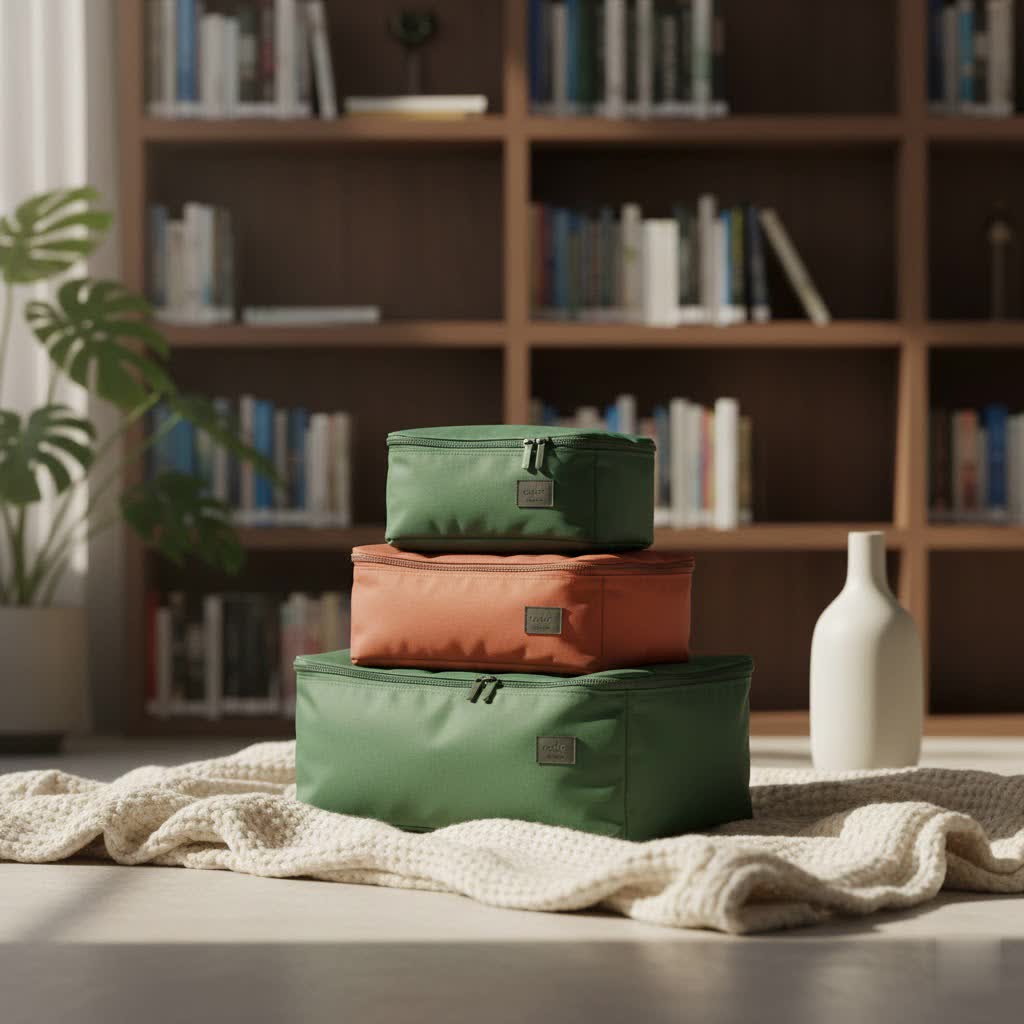
Packing Cubes: The Ultimate Solution for Carry-On Organization
Packing cubes are essentially fabric containers, typically rectangular, designed to segment the contents of your luggage. Think of them as mini-drawers for your suitcase or backpack, allowing you to categorize your belongings and maximize every inch of available space. They are particularly invaluable for carry-on luggage, where space is a premium and organization is key to avoiding fees and delays at the airport. By transforming a jumbled mess into a tidy array of organized compartments, packing cubes elevate your travel experience, ensuring peace of mind from departure to destination.
Benefits of Using Packing Cubes for Carry-On
Utilizing packing cubes in your carry-on offers a multitude of advantages that streamline your travel and enhance your overall trip.
- Maximizes Space in Your Carry-On: While packing cubes don’t inherently create more space, compression packing cubes certainly do, by expelling air from your clothes to significantly reduce volume. This allows you to fit more items into your carry-on than you might expect.
- Keeps Clothes Organized and Wrinkle-Free: Instead of a jumbled pile, garments are neatly contained, preventing them from shifting and wrinkling during transit. You can categorize items by outfit, type, or day, making it easy to find what you need without unpacking everything.
- Simplifies Classification and Speeds Up Searching: With mesh panels or transparent tops, you can quickly identify the contents of each cube, eliminating the need to open multiple compartments. This is especially handy for security checks or when you need a specific item on the go.
- Protects Clothes from Dust, Dirt, and Moisture: Cubes act as a barrier, safeguarding your clothing from potential spills within your bag or general exposure to the elements. Water-resistant materials offer an extra layer of protection for sensitive items.
- Separates Clean from Dirty Laundry: Many travelers designate an empty cube or a specific “dirty laundry” cube to keep worn clothes separate from fresh ones, making unpacking at home a breeze.
|
Our Picks for the Best Packing Cubes in 2026
As an Amazon Associate I earn from qualifying purchases.
|
||
| Num | Product | Action |
|---|---|---|
| 1 | BAGAIL 6 Set/8 Set/10 Set Packing Cubes Various Sizes Packing Organizer for Travel Accessories Luggage Carry On Suitcase |

|
| 2 | 10 Set/8 Set Packing Cubes for Travel, Gifts for Women Mom,Anti-Tearing Suitcase Organizer for Luggage with Shoe & Hanging Toiletry Bag,OlarHike Vacation Essentials & Accessories for Cruise Ship,Cream |
|
| 3 | Shacke Premium 5 Packing Cubes Set - Lightweight Mesh Travel Luggage Organizers with Laundry Bag, 5-Piece Suitcase Storage System (Black) |
|
| 4 | BAGAIL 8 Set Packing Cubes Luggage Packing Organizers for Travel Accessories-Cream |
|
| 5 | BAGAIL 4 Set/6 Set/8 Set Compression Packing Cubes Travel Accessories Expandable Packing Organizers (Half Mesh, 6-Black) |
|
| 6 | 10 Set Compression Packing Cubes for Travel Essentials,Compressible Expandable Packing Cubes for Suitcase,OlarHike Luggage Organizer Bags for Travel,Handy Helper for Organizing Clothes(Black) |
|
| 7 | Aerotrunk Compression Packing Cubes for Travel - Luggage Organizer Bags - Double Zipper Packing Cubes for Suitcases (4-Pack, Rose) |
|
| 8 | Amazon Essentials 4-Piece Packing Cubes Travel Accessories Set, Luggage Organizer with Double Zipper, Mesh Top, 100% Polyester, Small, Black (Previously Amazon Basics) |
|
| 9 | Veken 10 Set/8 Set Packing Cubes for Travel Essentials, Suitcase Organizer Bags in 4 Sizes, Carry-On Luggage Accessories with Laundry & Toiletry Bag, Airplane Must-Have, Road Trip & Camp Gifts for Men |
|
| 10 | HOTOR Packing Cubes for Suitcases - 6 Pieces, Light Packing Cubes for Travel, Premium Suitcase Organizer Bags Set, Space-Saving Luggage Organizers, Travel Accessories and Essentials, Black |
|
Popular Types of Packing Cubes for Carry-On
Packing cubes come in various forms, each suited for different packing needs and preferences, especially when considering the compact nature of carry-on bags.
- By Material:
- Nylon: Often chosen for its durability, lightweight properties, and water resistance, ripstop nylon is a common and excellent choice for packing cubes. Many high-quality cubes feature durable 100-denier ripstop nylon.
- Polyester: A more budget-friendly option, polyester cubes are generally easy to clean and offer good basic organization. Some, like the Orvis LT Small Packing Cube, use recycled polyester.
- Mesh: While not a standalone material, mesh panels are frequently incorporated into the tops of cubes. They offer breathability and allow for easy visibility of contents, which is a major convenience for quick identification.
- By Size: For carry-on luggage, a variety of sizes is crucial to play “Tetris” with your packing.
- Small: Ideal for underwear, socks, swimsuits, small accessories, or even toiletries and charging cables.
- Medium: Perfect for t-shirts, shorts, pajamas, or activewear, offering versatility for core wardrobe items.
- Large: Best for bulkier items like sweaters, jeans, trousers, or light jackets, though for carry-ons, you might use fewer large cubes or compression versions for these items.
- By Shape and Function:
- Square/Rectangle: The most common and versatile shapes, designed to fit efficiently into the geometric confines of a suitcase or backpack, allowing for easy stacking and arrangement.
- Cylindrical: Less common, but can be useful for rolled items or specific niches within your bag.
- Compression Cubes: These feature an additional zipper that cinches down the cube, expelling air and significantly reducing the volume of packed clothes. While excellent for saving space, they can sometimes lead to more wrinkles for delicate garments.
- Specialized Cubes: Some brands offer cubes tailored for specific items, such as dedicated shoe pouches, tech organizers with elastic bands for cables, or wash pouches with multiple compartments for toiletries and hanging hooks.
Comparison of Popular Packing Cubes for Carry-On
Choosing the right packing cubes involves considering durability, compression capabilities, and how well they fit into carry-on dimensions. Here’s a comparison of some notable options suitable for carry-on travel, based on expert reviews and common features:
| Brand | Material | Key Features | Pros | Cons | Price Range (USD) |
|---|---|---|---|---|---|
| Thule Compression Cube Set | 100D Ripstop Nylon | Excellent compression, durable, semi-transparent top, handles. | Maximizes space, extremely durable zippers, lightweight. | Can wrinkle clothes; not fully waterproof. | $45 (2-pack) |
| Briggs & Riley Carry-On Packing Cube | Recycled Polyester & Nylon | Odour-control fabric, premium zippers, designed to fit brand’s suitcases. | Exceptional quality, good compression, smooth zippers, fights odors. | More expensive, may be optimally sized for specific luggage. | $79 (3-set) |
| Aer Packing Cube | Nylon | Durable, sleek design, strong compression. | Indestructible feel, smooth zippers, compresses flat, fits easily in carry-on. | Fewer size options, sold separately, no mesh for visibility. | $35 (single) |
| Away The Insider Packing Cubes | Water-Repellent Nylon | Well-made, mesh panel top, water-repellent. | Good organization, easy visibility, lightweight, fits carry-on. | No compression feature, zippers can be stiff initially. | $35 (4-set) |
| Orvis LT Small Packing Cube | 100% Recycled Polyester | Mesh top for visibility, handle for easy access, lightweight. | Budget-friendly, good visibility, fits multiple t-shirts. | No compression, mesh can snag, less durable than premium options. | $19 (single) |
| Antler Packing Cubes | 100% Recycled Polyester | Good compression, mesh window, sturdy zippers. | Great overall value, effective compression, good quality, breathable. | Not the cheapest option. | $50 (4-set) |
| Ekster Travelpack Vacuum Kit | Nylon | Vacuum compression, pump included, saves significant space. | Drastically reduces bulk, ideal for overpackers or bulky winter items. | Expensive, only one large size available, manual pump required. | $69 (single) |
How to Choose the Right Packing Cubes for Your Carry-On
Selecting the best packing cubes for your carry-on involves a few key considerations to ensure they meet your specific travel style and needs.
- Determine Your Usage Needs: Before buying, consider the type of carry-on you use (backpack, hardside spinner, duffel) and the typical length and nature of your trips. For short trips, a few small to medium cubes might suffice, while longer excursions might benefit from a mix of sizes and compression cubes.
- Prioritize Material and Durability: Look for lightweight yet robust materials like ripstop nylon or durable polyester. Good quality fabric will withstand the stress of tight packing and repeated use. Water resistance is a bonus for protecting contents. Make sure the stitching is clean and tight, with no loose threads, and that zippers are strong and smooth, ideally from reputable brands like YKK.
- Select Appropriate Sizes: A variety of sizes is most effective for a carry-on. Smaller cubes are perfect for underwear, socks, and accessories, while medium and large ones can hold shirts, pants, and bulkier items. Some airlines have strict carry-on dimensions (e.g., 22 x 14 x 9 inches for most major US airlines, including handles and wheels), so consider how the cubes will fit within these limits.
- Consider Compression Features: If maximizing space is your primary goal, compression cubes are a game-changer for carry-ons. However, be mindful that they can sometimes cause more wrinkles. For wrinkle-prone attire, non-compression cubes or garment folders might be better.
- Check User Reviews and Expert Recommendations: Reading reviews from other travelers can provide invaluable insights into a product’s real-world performance, durability, and how well it integrates with carry-on luggage.
Tips for Effective Packing with Carry-On Cubes
Once you’ve chosen your packing cubes, these strategies will help you use them to their full potential for carry-on travel:
- Roll or Fold Strategically: For thin fabrics like t-shirts, swimwear, pajamas, and athleisure, rolling can save space and reduce wrinkles. For bulkier items like jeans, sweaters, or dressier clothes made of cotton or linen, folding flat (or once) often works best to minimize creases. Experiment to find what works for each garment type.
- Utilize Compression Cubes for Bulky Items: If you have items like jackets, chunky sweaters, or extra pairs of pants, compression cubes can drastically reduce their volume, freeing up valuable carry-on space.
- Categorize Items by Type or Outfit: Dedicate a cube to tops, another to bottoms, one for underwear and socks, and perhaps another for pajamas or activewear. This makes finding specific items incredibly easy upon arrival. Some travelers even pack full outfits into single cubes for each day of their trip.
- Color-Code Your Cubes: If you have multiple cubes, using different colors can help you quickly identify what’s inside without having to open them, especially if they don’t have mesh tops.
- Pack Shoes Separately: Shoes can be dirty and take up awkward space. Use a dedicated shoe pouch or a small packing cube to keep them isolated from your clean clothes. Stuff socks or small items inside your shoes to retain their shape and save space.
- Maximize Every Nook and Cranny: Once your cubes are packed, arrange them like Tetris pieces in your carry-on. Place heavier, larger cubes at the bottom near the wheels for stability. Use any remaining small spaces around the cubes for smaller, odd-shaped items like chargers, belts, or a travel towel.
- Keep Liquids and Essentials Accessible: Store your quart-sized bag of liquids (following TSA 3-1-1 rule) and any essential items like medication, a power bank, or travel documents in an easily accessible outer pocket of your carry-on, or a small, dedicated cube at the very top.
- Don’t Forget a Dirty Laundry Cube: As you wear clothes, designate an empty cube or a side compartment within your luggage to separate dirty items from clean ones, making unpacking at home much simpler.
- Use Cubes as Hotel Dresser Drawers: Upon reaching your destination, you can simply transfer your packed cubes directly into hotel drawers, making it feel like you’ve fully unpacked without the effort.
“Packing cubes help me save so much time and effort when organizing my luggage, especially for my carry-on. They’re a game-changer for any traveler.” – Marie Kondo, renowned organizing consultant.
Conclusion
Packing cubes for carry-on luggage are more than just a travel accessory; they’re a transformative tool for organized, stress-free journeys. By enabling efficient space utilization, maintaining order, and simplifying access to your belongings, they empower you to travel lighter and smarter. Investing in a quality set of packing cubes and mastering these packing techniques will undoubtedly enhance your carry-on experience, allowing you to focus on the adventure ahead rather than the chaos within your bag. Are you ready to revolutionize your packing and embark on your next trip with unparalleled organization?
Frequently Asked Questions
Do packing cubes actually save space in a carry-on?
Yes, packing cubes can significantly save space, especially compression cubes which actively squeeze out excess air from your clothing. Even regular cubes, by organizing items into compact, uniform shapes, allow for more efficient arrangement and help you fit more into your carry-on by eliminating wasted space.
What size packing cubes are best for a carry-on?
A variety of sizes is typically best for a carry-on. Small cubes are ideal for underwear, socks, and small accessories, while medium cubes suit shirts, shorts, and activewear. Larger cubes can accommodate bulkier items like jeans or sweaters, often in conjunction with compression features. The key is to have a mix that allows you to play “Tetris” with your luggage.
Can compression packing cubes be used in a carry-on?
Absolutely. Compression packing cubes are particularly beneficial for carry-on luggage as they drastically reduce the volume of your clothes, allowing you to fit more items into a limited space. Just be aware that aggressive compression can sometimes lead to more wrinkles, so consider this for delicate garments.
How do packing cubes help with airline carry-on restrictions?
Packing cubes help you stay within airline carry-on restrictions by optimizing internal space. By tightly organizing and often compressing your belongings, they allow you to pack more efficiently into a bag that already meets dimension limits. This prevents overstuffing, which can make a carry-on non-compliant. Most major US airlines limit carry-on bags to around 22 x 14 x 9 inches.
Are packing cubes machine washable?
Many packing cubes, especially those made from nylon or polyester, are machine washable, typically on a gentle cycle with cold water. However, it’s always best to check the manufacturer’s care instructions to ensure longevity and prevent damage to the material or zippers.
