Are you tired of rummaging through a messy backpack, struggling to find that one shirt, or constantly battling to zip your overstuffed bag? For backpackers and travelers alike, keeping gear organized and maximizing space is a perpetual challenge. This article dives deep into the world of packing cubes for backpacks, revealing how these simple yet revolutionary organizers can transform your travel experience from chaotic to perfectly curated, helping you pack smarter, not harder, for your next adventure.
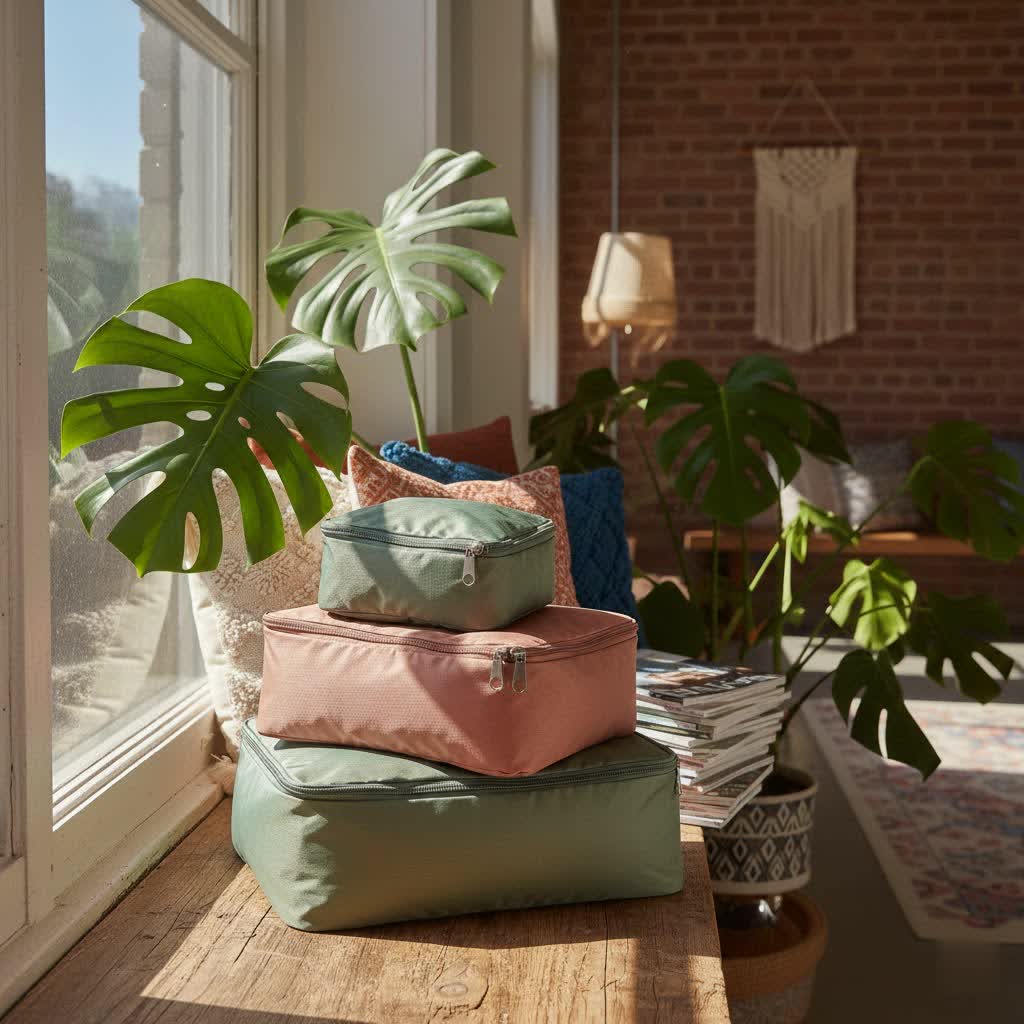
Packing Cubes: Your Backpack’s Best Friend for Organized Travel
Packing cubes are more than just zippered pouches; they are essential tools for anyone looking to optimize their backpack space and maintain order on the go. Especially when living out of a backpack, every inch and every ounce counts, making efficient organization paramount.
Benefits of Using Packing Cubes in a Backpack
Packing cubes offer a multitude of advantages that are particularly impactful when traveling with a backpack:
- Maximize Space and Compression: Compression packing cubes are a game-changer for backpacks, allowing you to condense bulky items like clothing by expelling air. This creates significantly more usable space, crucial for fitting everything into a limited backpack volume.
- Effortless Organization and Quick Access: Say goodbye to digging through a bottomless pit of clothes. With packing cubes, you can categorize your items – tops in one, bottoms in another, essentials in a third. This systematic approach ensures quick and easy access to exactly what you need without unpacking your entire bag.
- Keep Clothes Wrinkle-Free and Protected: Tightly packed clothes within cubes are less likely to shift and wrinkle during transit. They also offer a layer of protection against spills or dirt from other items in your backpack.
- Balanced Weight Distribution: By strategically placing various-sized cubes within your backpack, you can achieve better weight distribution. This prevents your bag from feeling lopsided and makes it more comfortable to carry, especially on long treks.
- Separate Clean from Dirty Items: Many travelers dedicate one cube specifically for dirty laundry, keeping it isolated from fresh clothes and preventing odors from spreading throughout your pack. Some advanced cubes even feature dual compartments for this purpose.
|
Our Picks for the Best Packing Cubes in 2026
As an Amazon Associate I earn from qualifying purchases.
|
||
| Num | Product | Action |
|---|---|---|
| 1 | Aerotrunk Compression Packing Cubes for Travel - Luggage Organizer Bags - Double Zipper Packing Cubes for Suitcases (4-Pack, Rose) |

|
| 2 | Veken 10 Set/8 Set Packing Cubes for Travel Essentials, Suitcase Organizer Bags in 4 Sizes, Carry-On Luggage Accessories with Laundry & Toiletry Bag, Airplane Must-Have, Road Trip & Camp Gifts for Men |
|
| 3 | 10 Set Compression Packing Cubes for Travel Essentials,Compressible Expandable Packing Cubes for Suitcase,OlarHike Luggage Organizer Bags for Travel,Handy Helper for Organizing Clothes(Black) |
|
| 4 | Amazon Essentials 4-Piece Packing Cubes Travel Accessories Set, Luggage Organizer with Double Zipper, Mesh Top, 100% Polyester, Small, Black (Previously Amazon Basics) |
|
| 5 | BAGAIL 6 Set/8 Set/10 Set Packing Cubes Various Sizes Packing Organizer for Travel Accessories Luggage Carry On Suitcase |
|
| 6 | BAGAIL 8 Set Packing Cubes Luggage Packing Organizers for Travel Accessories-Cream |
|
| 7 | 10 Set/8 Set Packing Cubes for Travel, Gifts for Women Mom,Anti-Tearing Suitcase Organizer for Luggage with Shoe & Hanging Toiletry Bag,OlarHike Vacation Essentials & Accessories for Cruise Ship,Cream |
|
| 8 | Shacke Premium 5 Packing Cubes Set - Lightweight Mesh Travel Luggage Organizers with Laundry Bag, 5-Piece Suitcase Storage System (Black) |
|
| 9 | HOTOR Packing Cubes for Suitcases - 6 Pieces, Light Packing Cubes for Travel, Premium Suitcase Organizer Bags Set, Space-Saving Luggage Organizers, Travel Accessories and Essentials, Black |
|
| 10 | BAGAIL 4 Set/6 Set/8 Set Compression Packing Cubes Travel Accessories Expandable Packing Organizers (Half Mesh, 6-Black) |
|
Types of Packing Cubes Perfect for Backpacking
The market offers a diverse range of packing cubes, but certain types are particularly suited for the demands of backpacking. Understanding these variations will help you choose the best tools for your journey.
- By Material: The material of your packing cubes plays a significant role in their performance and durability.
- Nylon (especially ripstop): Often lightweight, durable, and frequently water-resistant, making it ideal for the rigors of outdoor and adventure travel.
- Polyester: Generally more affordable and easy to clean, though sometimes heavier than nylon.
- Mesh: Provides breathability, which is excellent for airing out clothes, and allows you to easily see the contents without opening the cube.
- By Size: Packing cubes typically come in small, medium, and large sizes, allowing for versatile organization.
- Small: Perfect for underwear, socks, toiletries, small electronics, or accessories.
- Medium: Ideal for t-shirts, shorts, lighter sweaters, or pajamas.
- Large: Best for bulkier items like jackets, jeans, multiple outfits, or a week’s worth of clothing.
- By Feature:
- Compression Cubes: These are arguably the most valuable for backpackers. They feature an additional zipper that, once closed, compresses the contents, significantly reducing the volume. This is essential for fitting more into tight backpack spaces.
- Standard/Organizational Cubes: While they don’t offer compression, these cubes excel at compartmentalizing your gear, keeping items tidy and easy to find.
Top Packing Cube Brands for Backpackers: A Comparison
Choosing the right brand can make a big difference in your packing cube experience. Here’s a comparison of popular and highly-rated brands often favored by backpackers:
| Brand | Material | Key Features | Pros | Cons |
|---|---|---|---|---|
| Osprey | 40D Ripstop Nylon | Ultralight, durable, simple design | Extremely lightweight, high quality, excellent for minimalist packers | Smaller sets, higher price point |
| Eagle Creek | Ripstop Nylon | Durable, water-resistant, often with compression | Known for durability, many options including dual compartments | Can be more expensive |
| Peak Design | Recycled Nylon | Quick-access tear-away zippers, strong compression | Innovative design, excellent compression, integrates with Peak Design bags | Premium price, specific design may not suit all |
| Thule | 100D Ripstop Nylon | Lightweight, strong compression, rigid sides | Excellent compression, water-resistant, good for bulky items | Limited size options in sets |
| Gonex/Bagail | Nylon/Polyester | Good compression, value-focused | Budget-friendly, good compression for the price, decent durability | Materials may not be as premium as others |
How to Choose the Right Packing Cubes for Your Backpacking Adventures
Selecting the perfect packing cubes involves considering your specific travel needs and the characteristics of your backpack. A thoughtful choice will enhance your packing efficiency and overall journey.
- Assess Your Travel Style & Backpack Size: Consider the duration and type of your trips. Are you a minimalist weekend traveler, a long-term backpacker, or an adventure enthusiast? The size and capacity of your backpack will dictate the optimal number and dimensions of cubes you can utilize.
- Prioritize Material & Durability: For backpacking, lightweight and durable materials like ripstop nylon are paramount. Look for water-resistant properties if you anticipate diverse weather conditions or outdoor activities.
- Consider Compression Capabilities: If maximizing space is a top priority for your backpack, compression cubes are highly recommended. They can significantly reduce the volume of your clothing, allowing you to fit more or have extra space for souvenirs.
- Look for Quality Zippers and Construction: Zippers are a common failure point. Opt for brands using high-quality zippers (like YKK) and robust stitching that can withstand repeated use and the strain of compression.
- Read Reviews from Fellow Backpackers: Real-world feedback from other backpackers provides invaluable insights into how different cubes perform in practical travel scenarios, especially regarding durability and fit within various backpack types.
Expert Tips for Maximizing Space with Packing Cubes in Your Backpack
Even with the best packing cubes, a few clever techniques can dramatically enhance your packing efficiency and keep your backpack tidy.
- Roll Clothes for Maximum Space: Instead of folding, tightly roll your clothes before placing them in packing cubes. This method not only saves space but also helps reduce wrinkles and makes it easier to see all your items when you open a cube.
- Strategic Compression: When using compression cubes, don’t overstuff them initially. Fill the cube, zip the main closure, then systematically zip the compression zipper, pressing out the air as you go. This gentle approach maximizes space without damaging the cube or your belongings.
- Category-Based or Outfit-Based Packing: You can organize your cubes by clothing type (all tops in one, all bottoms in another) or by outfit. For example, pack a full day’s outfit (shirt, pants, underwear) into a single small cube. This makes getting dressed incredibly easy.
- Utilize Odd Spaces Around Cubes: Packing cubes create structured blocks, but your backpack still has irregular spaces. Fill these gaps with smaller, softer items like extra socks, scarves, or charging cables to make the most of every corner.
- Managing Dirty Laundry: Designate one packing cube as your “dirty laundry bag.” As clothes get worn, put them in this cube. If it’s a water-resistant cube, even better for keeping any odors or dampness contained.
“Packing cubes help me save so much time and effort when organizing my luggage.” – Marie Kondo, Renowned Organizing Consultant
Conclusion
Embracing packing cubes for your backpack is a strategic move that pays dividends in organization, efficiency, and peace of mind. From maximizing precious space with compression to ensuring quick access to your essentials, these versatile tools transform the often-stressful act of packing into a streamlined art. By choosing the right materials, sizes, and brands, and applying smart packing techniques, you can enjoy a tidier, lighter, and more enjoyable journey. So, are you ready to revolutionize your backpacking experience and pack like a seasoned pro?
Frequently Asked Questions
Can packing cubes be washed?
Yes, most packing cubes are designed to be washable. Typically, they can be hand-washed with mild soap and water, or machine-washed on a gentle cycle. It’s best to air dry them completely to maintain their shape and integrity, as machine drying can sometimes damage the material or zippers. Always check the manufacturer’s care instructions for specific guidance.
Do packing cubes add weight to my backpack?
While packing cubes do add a small amount of weight to your backpack, modern packing cubes, especially those made from ultralight ripstop nylon, are designed to be exceptionally lightweight. The organizational and space-saving benefits they provide far outweigh the minimal added weight, especially considering how much more efficiently you can pack and distribute weight within your backpack.
Are compression cubes necessary for backpacks?
For backpackers, compression cubes are highly recommended, if not necessary, especially for longer trips or when packing bulky items. Unlike suitcases, backpacks often have limited, non-expandable space. Compression cubes allow you to significantly reduce the volume of your clothing, enabling you to fit more essentials or even downsize to a smaller backpack, which can be a major advantage.
How many packing cubes do I need for a backpack?
The ideal number of packing cubes depends on your trip length, personal items, and backpack size. A common starting point is a set of 3-5 cubes, typically consisting of one large, two medium, and one or two small cubes. This combination allows for versatile organization, such as using the large for main clothing, mediums for specific categories or outfits, and smalls for underwear, socks, or toiletries.
