For any traveler, from the occasional vacationer to the seasoned digital nomad, maintaining order within your luggage can feel like an unending battle. The frustration of rummaging through a messy suitcase, clothes wrinkled beyond recognition, is a universal travel woe. This is where good packing cubes emerge as a game-changer, transforming chaotic luggage into a perfectly organized system. These simple yet ingenious zippered pouches are designed to compartmentalize your belongings, saving space, preventing wrinkles, and making the packing and unpacking process effortlessly efficient.
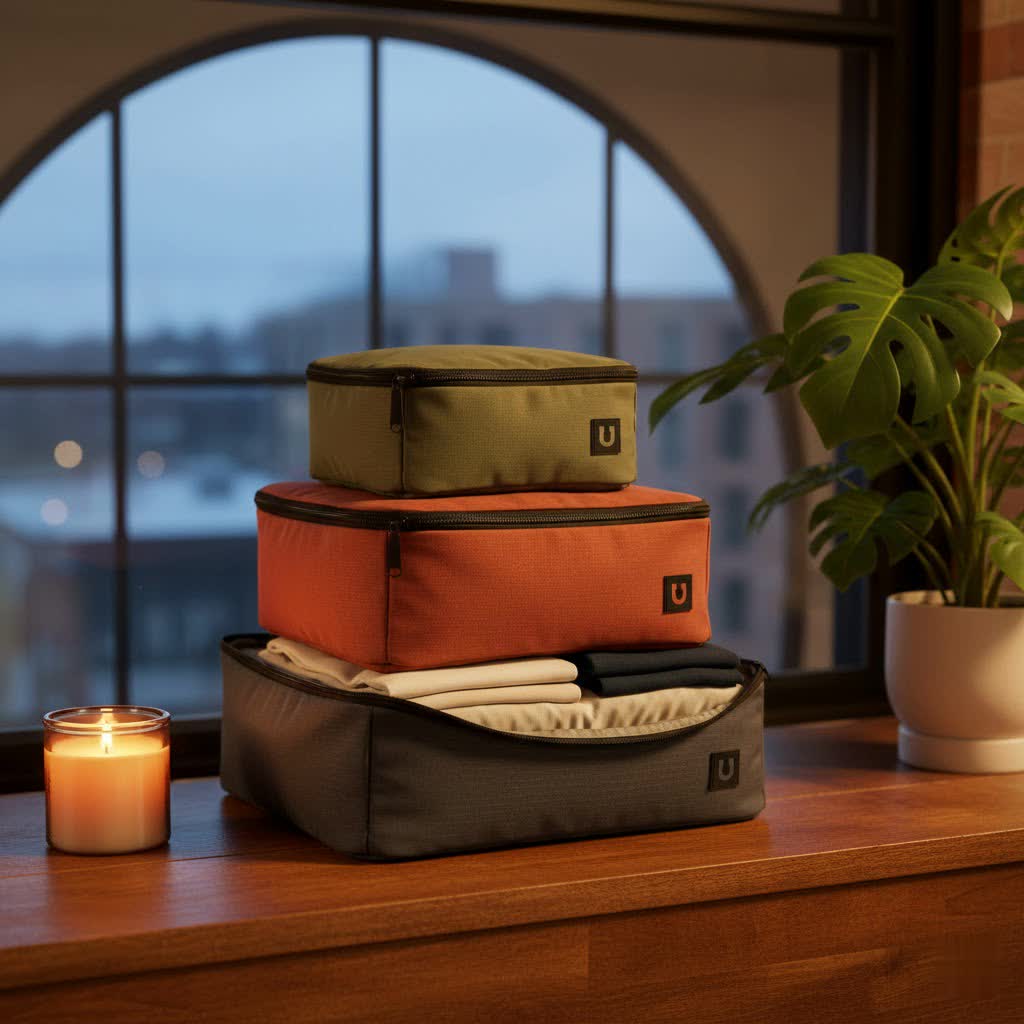
The Undeniable Benefits of Using Packing Cubes
Packing cubes offer a multitude of advantages that can significantly enhance your travel experience. They are far more than just glorified bags; they are strategic tools for maximizing space and maintaining sanity on the go.
Firstly, they are excellent at saving space within your suitcase or backpack. By compressing items and organizing them into neat blocks, packing cubes allow you to fit more into your luggage than you ever thought possible, especially compression-style cubes that use an extra zipper to squeeze out air. Secondly, they are a traveler’s best friend for wrinkle prevention. Instead of clothes shifting and creasing, items remain neatly folded or rolled within their designated cube, emerging from your bag looking much fresher. Thirdly, packing cubes facilitate easy organization and categorization. You can sort your clothing by type, outfit, or even by family member, making it simple to find exactly what you need without disturbing the rest of your meticulously packed items. Lastly, they provide an extra layer of protection from dirt and moisture, safeguarding your belongings from accidental spills or dampness during transit.
Types of Packing Cubes for Every Traveler
The world of packing cubes is diverse, with options tailored to different preferences, travel styles, and budgets. Understanding the various types available is key to selecting the perfect set for your needs.
By Material
The material of a packing cube dictates its durability, weight, and specific features.
- Nylon (Ripstop): Often found in premium packing cubes, nylon, especially ripstop nylon, is celebrated for its exceptional durability, lightweight nature, and water resistance. Brands like Eagle Creek and Thule frequently utilize this material, offering robust protection without adding significant bulk to your luggage.
- Polyester: A more budget-friendly option, polyester is common in brands such as Amazon Essentials and Bagail. It’s generally easy to clean and comes in various densities (measured in Denier, or ‘D’), influencing its strength and feel. While typically less water-resistant than treated nylon, many polyester cubes still offer good performance for their price point.
- Mesh: Incorporated into the design of many cubes, mesh panels provide breathability and allow you to quickly identify the contents without opening the cube. This is particularly useful for separating items or for quickly scanning your packing list. Some cubes, like those from Osprey Daylite, feature soft mesh fronts.
|
Our Picks for the Best Packing Cubes in 2026
As an Amazon Associate I earn from qualifying purchases.
|
||
| Num | Product | Action |
|---|---|---|
| 1 | Shacke Premium 5 Packing Cubes Set - Lightweight Mesh Travel Luggage Organizers with Laundry Bag, 5-Piece Suitcase Storage System (Black) |

|
| 2 | HOTOR Packing Cubes for Suitcases - 6 Pieces, Light Packing Cubes for Travel, Premium Suitcase Organizer Bags Set, Space-Saving Luggage Organizers, Travel Accessories and Essentials, Black |
|
| 3 | BAGAIL 6 Set/8 Set/10 Set Packing Cubes Various Sizes Packing Organizer for Travel Accessories Luggage Carry On Suitcase |
|
| 4 | 10 Set/8 Set Packing Cubes for Travel, Gifts for Women Mom,Anti-Tearing Suitcase Organizer for Luggage with Shoe & Hanging Toiletry Bag,OlarHike Vacation Essentials & Accessories for Cruise Ship,Cream |
|
| 5 | Amazon Essentials 4-Piece Packing Cubes Travel Accessories Set, Luggage Organizer with Double Zipper, Mesh Top, 100% Polyester, Small, Black (Previously Amazon Basics) |
|
| 6 | 10 Set Compression Packing Cubes for Travel Essentials,Compressible Expandable Packing Cubes for Suitcase,OlarHike Luggage Organizer Bags for Travel,Handy Helper for Organizing Clothes(Black) |
|
| 7 | BAGAIL 8 Set Packing Cubes Luggage Packing Organizers for Travel Accessories-Cream |
|
| 8 | BAGAIL 4 Set/6 Set/8 Set Compression Packing Cubes Travel Accessories Expandable Packing Organizers (Half Mesh, 6-Black) |
|
| 9 | Veken 10 Set/8 Set Packing Cubes for Travel Essentials, Suitcase Organizer Bags in 4 Sizes, Carry-On Luggage Accessories with Laundry & Toiletry Bag, Airplane Must-Have, Road Trip & Camp Gifts for Men |
|
| 10 | Aerotrunk Compression Packing Cubes for Travel - Luggage Organizer Bags - Double Zipper Packing Cubes for Suitcases (4-Pack, Rose) |
|
By Size
Packing cubes come in a range of sizes to accommodate different items and packing strategies.
- Small: Ideal for smaller essentials such as underwear, socks, toiletries, charging cables, or other accessories.
- Medium: Perfect for everyday wear like T-shirts, shorts, and blouses. Many travelers find a combination of small and medium cubes to be the most versatile.
- Large: Designed for bulkier items such as jackets, sweaters, pants, or multiple outfits. Some larger cubes can even accommodate shoes or serve as a dedicated laundry bag.
- Specialty Shapes: Beyond the standard rectangular and square cubes, you can find slim cubes for narrow spaces, envelope-sized pouches for documents or flat items, and dedicated shoe bags to keep dirty footwear separate from clean clothes.
By Function
Beyond basic organization, some packing cubes offer specialized functions.
- Standard (Zippered Pouches): These are the classic, single-compartment cubes that provide basic organization and containment. They are excellent for keeping clothes tidy and preventing them from shifting.
- Compression Cubes: Featuring an additional external zipper, compression cubes allow you to significantly reduce the volume of your packed clothes by expelling air. This is a game-changer for bulky items or when trying to maximize space in a carry-on. Brands like Thule, BAGSMART, and REI Co-op offer excellent compression options.
- Clean/Dirty Separation: Some innovative cubes, such as certain Eagle Creek models, come with dual compartments. This allows you to separate clean clothes from dirty laundry, or even dry items from damp swimwear, within the same cube, preventing odors and moisture transfer.
- Expandable Cubes: Similar to compression cubes, expandable options can be unzipped to increase capacity when needed, offering flexibility in packing.
Comparing Top Packing Cube Brands
When seeking the best packing cubes, several brands consistently rise to the top, each offering unique strengths and features. This comparison table highlights popular choices based on extensive testing and user feedback.
| Brand | Material | Pros | Cons |
|---|---|---|---|
| Eagle Creek | Recycled 70D nylon, 300D polyester | Highly durable, angled opening for easy access, innovative clean/dirty system, great for organization | Can be pricey, wide range of options might be overwhelming for new users |
| Amazon Essentials | Polyester | Extremely budget-friendly, good range of sizes for the price, surprisingly holds up for casual use | Noticeable fraying when new, thin mesh, zippers may not withstand aggressive overpacking |
| Thule | 100D ripstop nylon, 900D recycled coated polyester | Excellent compression, rigid sides for shape retention, water-resistant, premium look and feel | Some compression models lack mesh, can be heavier (Chasm series), compression is less effective when jammed |
| REI Co-op | Ripstop nylon (shell), polyester (mesh) | Excels at fitting more clothes without bulging, durable construction, solid warranty | Some customer reviews suggest quality isn’t as good as previous versions |
| Bagail | Polyester | Very affordable compression cubes, good compression for the price, sealed zipper tracks, convenient handle | Some versions lack mesh for breathability, zipper quality can be a concern with overstuffing |
| Osprey Daylite | Recycled 150D, 200D, 600D polyester | Lightweight, well-suited for backpacks, breathable mesh, backed by a lifetime warranty | “J-zip” opening can be awkward for full access, slightly restricted capacity compared to full-opening cubes |
| Aer | 100D Cordura ripstop nylon | Durable yet thin, good water resistance, deceptively roomy when uncompressed, premium YKK zippers | Opaque material makes contents hard to identify, some reports of minor abrasion, only available separately |
| Away | Nylon | Perfectly sized for carry-on luggage, ample space, available in various colors, good compression on certain models | Material can feel thin/sheer, some models lack handles, relatively short 1-year warranty |
| Peak Design | Advanced synthetic fabrics | Excellent balance of capacity and compression, innovative zipper system for quick access, folds flat for storage, lifetime warranty | Can be pricey, material can be slippery, unique zipper can unintentionally open if not careful, no handle on some models |
| BAGSMART | (Often polyester/nylon blend) | Effective compression, surprisingly spacious, good starter kit for those new to compression cubes | May be edged out by other budget options on overall value, not always the most premium feel |
How to Choose the Right Packing Cubes
Selecting the perfect packing cubes involves considering several factors unique to your travel habits and preferences. Making an informed decision ensures your investment enhances your travel organization for years to come.
First, assess your travel style and needs. Are you a backpacker who prioritizes lightweight gear and maximum compression, or a leisure traveler using a large suitcase for longer trips? The type of luggage you primarily use (backpack, carry-on, checked bag) will influence the optimal sizes and shapes of cubes you need. Second, consider capacity and dimensions. Since packing cube sizes aren’t standardized across brands, always check the actual dimensions and volume (liters) to ensure they fit your specific luggage and can hold your intended items. Third, material matters significantly for durability, weight, water resistance, and breathability. Ripstop nylon offers the best balance of durability and lightness for frequent travelers, while polyester can be a good budget alternative. Mesh panels are excellent for visibility and ventilation.
Furthermore, evaluate your compression needs. If fitting more into less space is a top priority, compression cubes are a must-have. However, remember they primarily reduce volume, not weight. Always inspect the quality of zippers and seams; these are often the first points of failure. YKK zippers are generally considered the industry standard for reliability. Finally, referencing reviews from other users can offer invaluable, objective insights into a product’s real-world performance and longevity.
Expert Tips for Maximizing Your Packing Cubes Effectively
Once you’ve chosen your packing cubes, knowing how to use them efficiently can further elevate your packing game. These expert tips will help you get the most out of your organizational tools.
Consider whether to roll or fold clothes inside your packing cubes. While rolling typically saves more space and can be effective for softer garments, folding and stacking might keep certain items, like shirts and trousers, neater and less prone to wrinkles, especially in larger, rectangular cubes. Use compression cubes strategically for bulky items such as sweaters, jackets, or extra jeans to significantly reduce their volume. However, avoid compressing highly wrinkle-prone fabrics like linen or silk, as the intense pressure can worsen creasing.
Categorize and color-code your packing cubes to enhance organization. For instance, dedicate one color for tops, another for bottoms, a third for undergarments, or assign different colors to each family member. This makes locating specific items incredibly fast. If your cubes have dual compartments or if you have extra space, separate clean clothes from dirty laundry to prevent odors and maintain hygiene throughout your trip. Lastly, while packing cubes encourage you to fit more, avoid overstuffing them to protect the integrity of the zippers and seams, ensuring your cubes last longer.
“Packing cubes streamline the entire travel process, making it incredibly easy to manage belongings and reclaim precious suitcase space. It’s like having portable drawers for your luggage.”
Conclusion
Good packing cubes are an indispensable tool for anyone looking to bring order, efficiency, and peace of mind to their travels. They offer a simple yet profound solution to common packing challenges, from maximizing space and minimizing wrinkles to effortlessly organizing your belongings. By understanding the different types, materials, and features available, you can select the perfect set to match your unique travel needs and preferences. With a little strategic planning and the right set of cubes, you’ll wonder how you ever traveled without them, transforming every packing experience from a chore into a seamless preparation for adventure. What organizational benefits have you discovered since incorporating packing cubes into your travel routine?
Frequently Asked Questions
Can packing cubes be washed?
Most packing cubes are designed to be washable. Typically, they can be hand-washed with mild soap and cold water or machine-washed on a gentle cycle. It’s always best to air dry them to maintain their shape and preserve the integrity of zippers and materials. Always check the manufacturer’s specific care instructions for the best results.
Do packing cubes really save space?
Yes, packing cubes can significantly save space, especially compression packing cubes. While they don’t reduce the weight of your luggage, they organize items into compact, uniform blocks, which makes them easier to fit into your suitcase and eliminates dead air pockets. This allows you to utilize every inch of your luggage more efficiently and often fit more items.
What size packing cubes should I buy?
The ideal size depends on your specific items and luggage. A common strategy is to use a mix of sizes: large cubes for bulkier clothes like jackets or pants, medium cubes for shirts and shorts, and small cubes for underwear, socks, or electronics. Consider the dimensions of your suitcase or backpack to ensure the cubes fit snugly and maximize space.
Are packing cubes worth it for short trips?
Even for short trips or overnight stays, packing cubes can be highly beneficial. They help organize specific outfits, keep essentials easily accessible, and prevent small items from getting lost in a larger bag. While less critical for maximizing space on short trips, their organizational benefits alone make them a worthwhile investment for any journey.
