In the world of travel, every inch of space in your luggage is precious. Whether you’re a seasoned globetrotter, a weekend warrior, or someone simply tired of struggling with an overstuffed suitcase, the quest for more efficient packing is universal. Enter compression travel packing cubes—a revolutionary solution designed to transform your packing experience. These clever organizers go beyond simple compartmentalization, actively reducing the bulk of your clothes to create significant extra space. This guide will delve into everything you need to know about compression packing cubes, from their ingenious design to choosing the perfect set for your next adventure, ensuring you can pack smarter, not harder.
Understanding Compression Travel Packing Cubes
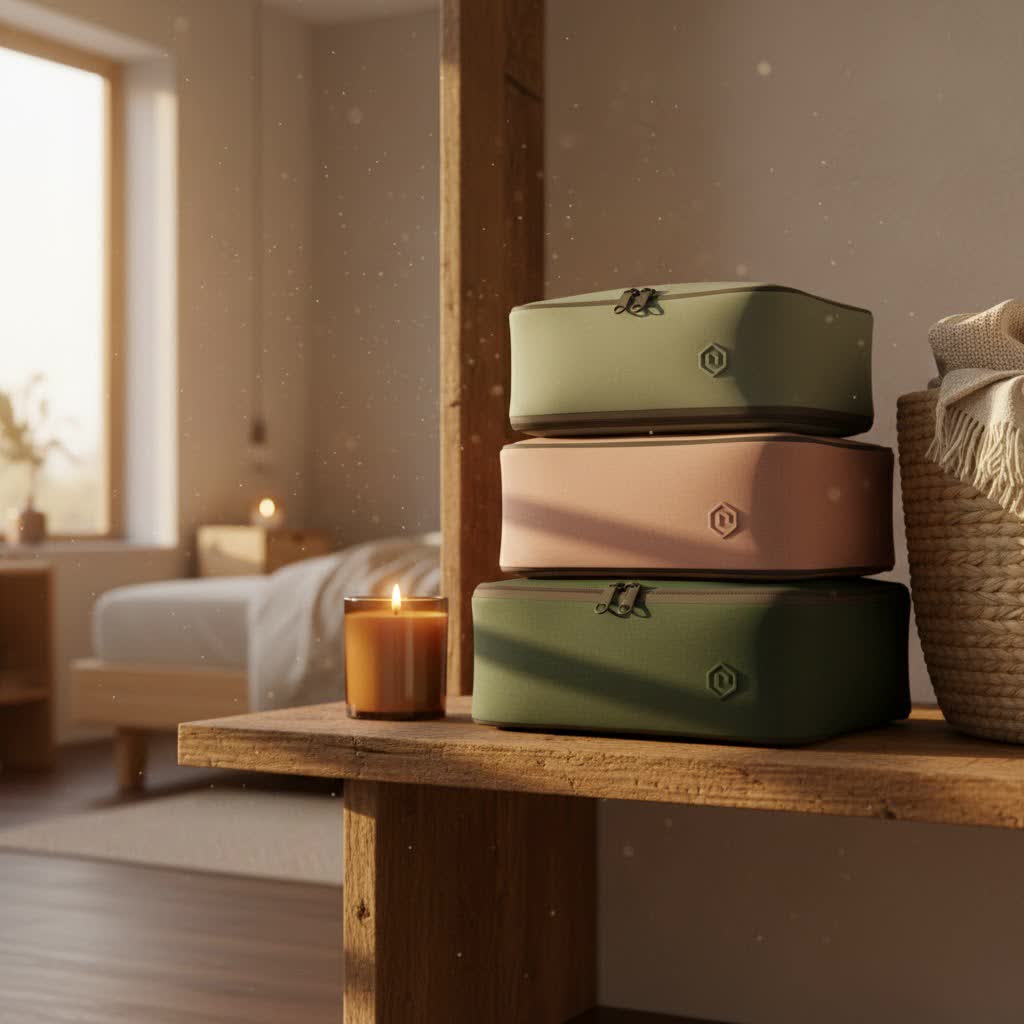
Compression travel packing cubes are specialized fabric containers designed to help you organize your belongings and, crucially, reduce their volume within your luggage. Unlike standard packing cubes which primarily offer organization and help maintain tidiness, compression cubes feature a secondary zipper or set of straps that actively squeeze out excess air and compact your items. This ingenious mechanism transforms bulky clothing into neat, dense blocks, allowing you to fit considerably more into your suitcase, backpack, or duffel bag.
At their core, compression cubes work through a dual-zipper system. You first load your clothing into the main compartment and close the primary zipper. Once filled, a second, outer zipper is then used to cinch the cube down, pushing out trapped air and compressing the contents. This process doesn’t create a vacuum, but rather minimizes the dead space between folded or rolled garments, making your packed items more compact. The result is a more streamlined and manageable luggage interior, preventing clothes from shifting and creating a tidy, accessible system throughout your journey. They essentially turn a loose pile of clothes into a solid, stackable brick, maximizing the usable volume of your travel bag.
The Unbeatable Benefits of Compression Packing Cubes
For any traveler looking to optimize their packing strategy, compression travel packing cubes offer a multitude of advantages that go far beyond simple organization. Their unique ability to reduce volume makes them an indispensable tool for both frequent flyers and occasional adventurers alike.
Maximize Luggage Space
|
Our Picks for the Best Packing Cubes in 2026
As an Amazon Associate I earn from qualifying purchases.
|
||
| Num | Product | Action |
|---|---|---|
| 1 | Aerotrunk Compression Packing Cubes for Travel - Luggage Organizer Bags - Double Zipper Packing Cubes for Suitcases (4-Pack, Rose) |

|
| 2 | 10 Set Compression Packing Cubes for Travel Essentials,Compressible Expandable Packing Cubes for Suitcase,OlarHike Luggage Organizer Bags for Travel,Handy Helper for Organizing Clothes(Black) |
|
| 3 | BAGAIL 6 Set/8 Set/10 Set Packing Cubes Various Sizes Packing Organizer for Travel Accessories Luggage Carry On Suitcase |
|
| 4 | 10 Set/8 Set Packing Cubes for Travel, Gifts for Women Mom,Anti-Tearing Suitcase Organizer for Luggage with Shoe & Hanging Toiletry Bag,OlarHike Vacation Essentials & Accessories for Cruise Ship,Cream |
|
| 5 | HOTOR Packing Cubes for Suitcases - 6 Pieces, Light Packing Cubes for Travel, Premium Suitcase Organizer Bags Set, Space-Saving Luggage Organizers, Travel Accessories and Essentials, Black |
|
| 6 | Amazon Essentials 4-Piece Packing Cubes Travel Accessories Set, Luggage Organizer with Double Zipper, Mesh Top, 100% Polyester, Small, Black (Previously Amazon Basics) |
|
| 7 | Shacke Premium 5 Packing Cubes Set - Lightweight Mesh Travel Luggage Organizers with Laundry Bag, 5-Piece Suitcase Storage System (Black) |
|
| 8 | BAGAIL 8 Set Packing Cubes Luggage Packing Organizers for Travel Accessories-Cream |
|
| 9 | BAGAIL 4 Set/6 Set/8 Set Compression Packing Cubes Travel Accessories Expandable Packing Organizers (Half Mesh, 6-Black) |
|
| 10 | Veken 10 Set/8 Set Packing Cubes for Travel Essentials, Suitcase Organizer Bags in 4 Sizes, Carry-On Luggage Accessories with Laundry & Toiletry Bag, Airplane Must-Have, Road Trip & Camp Gifts for Men |
|
The most prominent benefit of compression packing cubes is their unparalleled ability to save space. By utilizing the secondary compression zipper, you can significantly reduce the volume of your clothes, often by 30% or more. This is particularly valuable for bulky items like sweaters, jackets, or jeans, allowing you to pack more outfits or leave room for souvenirs. For carry-on travelers, this means avoiding checked bag fees and enjoying the convenience of keeping all essentials with you. The saved space also translates to less strain on zippers and seams of your luggage, potentially extending its lifespan.
Superior Organization
Beyond compression, these cubes excel at keeping your belongings impeccably organized. You can categorize your clothes by type (tops, bottoms, underwear), by outfit, or even by person if you’re packing for a family. This systematic approach eliminates rummaging through a messy suitcase to find a specific item. Upon arrival, you can simply transfer the cubes directly into hotel drawers or shelves, keeping your clothes neat and accessible without fully unpacking. The clear distinction between items also makes it easier to pack efficiently for multi-destination trips where different clothing might be needed for each stop.
Minimize Wrinkles
While no packing method can guarantee completely wrinkle-free clothes, compression packing cubes certainly help. By keeping garments tightly contained and preventing them from shifting and jostling during transit, they reduce the chances of creases and wrinkles forming. Rolling clothes before placing them in the cubes, combined with the gentle pressure of compression, helps maintain their smooth appearance. This means less time spent ironing upon arrival and more time enjoying your destination.
Separate Dirty Laundry & Wet Items
Many travelers appreciate the ability of compression cubes to compartmentalize dirty laundry. As your trip progresses, simply designate a cube for soiled clothes and compress them, keeping them separate from clean items and minimizing odor transfer. Some advanced cubes even feature dual compartments, with one side specifically designed for dirty or damp items, often made from water-resistant material. This feature is particularly useful after a swim or a rainy day, ensuring your clean clothes remain fresh.
Travel with Ease
Ultimately, compression packing cubes contribute to a less stressful and more enjoyable travel experience. With everything neatly organized and compactly stored, you’ll save time packing and unpacking. The ability to fit more into a smaller bag, especially a carry-on, offers unparalleled freedom and flexibility. You won’t have to worry about luggage exploding when you open it, nor will you scramble to find that one specific shirt. Instead, you’ll have a clear, controlled system that makes living out of a suitcase surprisingly pleasant.
Types of Compression Packing Cubes: A Closer Look
The market offers a diverse range of compression packing cubes, each varying in material, size, and design features. Understanding these distinctions can help you select the ideal set to match your travel needs and preferences.
By Material
The material of your compression packing cubes significantly impacts their durability, weight, and performance.
- Nylon: Often found in higher-end models, nylon is celebrated for its strength, lightweight properties, and resistance to tearing, especially ripstop nylon. It’s also frequently water-resistant, offering an extra layer of protection for your clothes against spills or light rain. This material tends to be slick, making it easier to slide cubes into tight spaces. Brands like Eagle Creek and Thule often utilize high-quality nylon for their robust compression cubes, offering longevity and consistent performance.
- Polyester: A common and more affordable material, polyester cubes are generally durable and easy to clean. While perhaps not as featherlight or tear-resistant as ripstop nylon, they offer good value and performance for most travelers. Many budget-friendly sets, such as those from Amazon Basics, are made from polyester, providing a practical solution without a significant investment.
- Mesh: Some compression cubes incorporate mesh panels, typically on the top. This allows for breathability, which can be beneficial for clothes that need air circulation, and also provides visibility, letting you see the contents without opening the cube. While convenient, full mesh designs might be less effective at containing odors from dirty laundry. Hybrid designs, with solid bottoms and mesh tops, offer a good balance.
By Size
Compression packing cubes come in various sizes, allowing you to create a customized packing system for different types of items and trip durations.
- Small: Perfect for organizing smaller essentials like socks, underwear, ties, belts, swimsuits, or tech accessories. They are also useful for separating toiletries or small personal items.
- Medium: Ideal for t-shirts, shorts, pajamas, light sweaters, and other mid-sized garments. These are often the workhorse size, versatile enough for most clothing items and commonly included in multi-piece sets.
- Large: Designed for bulkier items such as jackets, hoodies, pairs of pants, or larger sweaters. When traveling in colder climates or with more substantial clothing, large compression cubes become invaluable for maximizing suitcase space.
Many sets offer a mix of sizes, enabling a comprehensive organization strategy for your entire wardrobe. Some brands also offer “slim” or “shoe” specific cubes for even more specialized packing.
By Design and Features
Beyond basic compression, some cubes offer additional features that enhance functionality:
- Dual-Compartment Cubes: These innovative cubes typically have two separate sections, often with one made from a water-resistant material. They are excellent for separating clean clothes from dirty laundry, or dry items from damp swimwear, maintaining hygiene and freshness throughout your trip.
- Ultra-Lightweight Cubes: For travelers meticulously counting every gram, there are cubes crafted from extremely light materials, often silnylon or very thin ripstop nylon. While still offering compression, their primary focus is minimal weight, appealing to backpackers and ultralight enthusiasts.
- Structured vs. Flexible: Some compression cubes feature more rigid sides or internal structures that help them maintain a rectangular shape even when highly compressed. This can make them easier to stack and fit into specific luggage dimensions. Others are more flexible, conforming to the irregular spaces in your bag.
The variety ensures that whether you prioritize rugged durability, minimal weight, maximum compression, or specialized organization, there’s a compression packing cube designed to meet your specific travel demands.
Top Compression Packing Cube Brands: A Comparison
The market for compression travel packing cubes is robust, with several brands earning a reputation for quality, innovation, and reliability. Here’s a comparison of some popular options, highlighting their unique strengths and considerations.
| Brand | Key Features | Material | Pros | Cons |
|---|---|---|---|---|
| Eagle Creek | Pack-It system, high-quality construction, often with antimicrobial properties | Durable Ripstop Nylon | Excellent compression, robust & long-lasting, water-resistant, wide range of sizes & types | Higher price point, can be bulkier when uncompressed |
| BAGSMART | Good value, often comes with shoe bags, multiple sizes | Nylon / Polyester blends | Effective compression, good organizational features, specific item sizing | May require careful handling of zippers when full, compression can be less rigid than premium brands |
| Thule | Superior durability, rigid sides for shape retention, premium YKK zippers | 100D Ripstop Nylon | Extremely durable, excellent water resistance, consistent compression, sleek design | Higher price, often sold in smaller sets (e.g., 2-piece) |
| Gonex | Budget-friendly, various sizes, often includes laundry bags | Lightweight Polyester | Very affordable, good range of sizes, helps separate laundry | Materials can feel less premium, may bulge if overfilled, compression less structured |
| Monos | Minimalist aesthetic, significant compression, fits carry-ons well | Smooth, easy-to-clean fabric | High compression capability, sleek design, fits modern luggage | Zippers can be stiff initially, higher price point |
| Amazon Basics | Highly accessible, very affordable, decent capacity | Polyester | Excellent value for money, readily available, good basic functionality | Average durability, compression may not be as tight as specialized brands, limited features |
Note: Prices are subject to change and vary by retailer and set size. This table provides a general overview based on common market offerings and user feedback.
Choosing the Right Compression Packing Cubes for Your Adventures
Selecting the ideal set of compression travel packing cubes involves considering several factors tailored to your individual travel style and needs. A thoughtful choice can significantly enhance your packing efficiency and overall journey.
Assess Your Travel Style & Needs
Before diving into features, consider how you travel. Are you a minimalist backpacker aiming for ultralight travel, a family vacationer needing to organize multiple wardrobes, or a business traveler prioritizing wrinkle-free attire? The duration and type of your trips (e.g., cold weather vs. tropical) will also influence the sizes and number of cubes you need. If you frequently pack bulky items, prioritize cubes with strong compression. For multi-destination trips, consider cubes with dual compartments for separating clean and dirty clothes.
Prioritize Material and Durability
The longevity and performance of your compression cubes heavily depend on their construction. Look for high-quality, lightweight yet durable materials like ripstop nylon, which offers excellent tear and water resistance. Pay close attention to the zippers; YKK zippers are a gold standard, known for their smooth operation and resilience against snagging or breaking, especially under compression. Strong stitching and reinforced seams are also indicators of a well-made product that will withstand the rigors of travel. While budget options exist, investing a bit more in durable materials often pays off in the long run.
Consider Size and Set Configuration
Compression cubes come in a variety of sizes (small, medium, large, slim) and set configurations (e.g., 3-piece, 5-piece, mixed sizes). Evaluate the typical items you pack and the dimensions of your luggage. A mix of sizes is often most versatile, allowing you to organize everything from socks to jackets. For carry-on bags, smaller and medium cubes tend to be more efficient. Some travelers prefer multiple cubes of the same size for uniform packing, while others benefit from a varied set to fit different items. Think about how the cubes will integrate with your existing luggage and packing habits.
Read Reviews & Check Warranties
Before making a final decision, take time to read reviews from other travelers. Real-world feedback can offer invaluable insights into a product’s true compression capability, zipper quality, and overall durability. Look for consistent praise regarding ease of use and long-term performance. Additionally, check for manufacturer warranties. Brands like Eagle Creek and Briggs & Riley offer impressive lifetime guarantees, which speaks volumes about their confidence in product quality and can provide peace of mind for your investment.
By carefully evaluating these aspects, you can confidently choose a set of compression packing cubes that not only meet your current travel requirements but also adapt to your evolving adventures.
Mastering the Art of Packing with Compression Cubes
While compression travel packing cubes are designed to simplify your life, employing a few smart techniques can significantly enhance their effectiveness, maximizing space savings and keeping your belongings in pristine condition.
Roll or Fold Neatly
The way you arrange your clothes inside the cube has a direct impact on compression efficiency and wrinkle prevention. Many experts recommend rolling softer garments like t-shirts, socks, and underwear. Rolling helps fill gaps more efficiently and can reduce creasing. For bulkier or more structured items like sweaters, jeans, or collared shirts, neatly folding them flat can work best. The goal is to minimize air pockets and create a smooth, dense parcel of clothing before compression. Experiment with both methods to see what works best for your specific garments and cubes.
Don’t Overfill (Optimal 80%)
It might seem counterintuitive, but overfilling a compression packing cube can hinder its primary function. While the temptation to stuff as much as possible is strong, cubes perform best when filled to about 80% capacity. This leaves enough room for the fabric to gather and the compression zipper to operate smoothly. An overstuffed cube can put excessive strain on zippers, leading to snagging or breakage, and may result in an uneven, bulky “brick” that is harder to fit into your luggage. A slightly less full cube compresses more effectively and evenly.
Utilize Different Sizes & Colors
Leverage the variety of cube sizes and, if available, colors. Use smaller cubes for underwear, socks, and accessories; medium cubes for tops and bottoms; and larger cubes for bulkier items or outerwear. If your set comes in different colors, assign a color to a specific category (e.g., blue for shirts, green for pants) or to different family members. This visual system makes it incredibly easy to identify and retrieve items without opening multiple cubes, streamlining your packing and unpacking process.
Smooth the Compression Zipper
The compression zipper is key to the cube’s function, but it requires a bit of care. As you zip, use a finger to gently guide any loose fabric away from the zipper teeth. This simple trick helps prevent snags, which can be frustrating and potentially damage the cube. Zip slowly and evenly, ensuring the fabric is smoothly gathered. If you encounter resistance, stop, adjust the contents, and try again rather than forcing the zipper. This mindful approach will prolong the life of your compression cubes.
Keep it Clean
Just like your clothes, your packing cubes will benefit from occasional cleaning. Most cubes are made from synthetic materials like nylon or polyester, which are generally easy to wipe down with a damp cloth. For a more thorough cleaning, check the manufacturer’s instructions; many can be hand-washed in mild soap and air-dried. Regular cleaning prevents the buildup of dirt, odors, and bacteria, ensuring your cubes remain fresh and hygienic for countless adventures.
“Compression packing cubes are a game-changer for travelers. They not only organize your belongings but actively give you back valuable space, making overpacking a thing of the past and allowing for a truly streamlined travel experience.”
Conclusion
Compression travel packing cubes are more than just organizational tools; they are essential gear for any modern traveler seeking to maximize space, minimize stress, and maintain order on the go. By offering the dual benefits of meticulous organization and impressive volume reduction, these innovative accessories empower you to pack smarter, fit more into your luggage, and streamline your travel experience. From extending the capacity of your carry-on to separating clean and dirty laundry, the advantages are undeniable. Investing in a quality set of compression packing cubes is an investment in more efficient, enjoyable, and hassle-free journeys, no matter where your adventures take you. Are you ready to transform your packing and unlock more space for your next trip?
Frequently Asked Questions
Can compression packing cubes be washed?
Yes, most compression packing cubes can be washed. Typically made from synthetic materials like nylon or polyester, they can often be hand-washed with mild soap and water, then air-dried. Always check the manufacturer’s specific care instructions, as some might be machine washable on a delicate cycle, but air drying is generally recommended to preserve their shape and integrity.
Do compression packing cubes really save space?
Absolutely. Compression packing cubes are specifically designed to save space by expelling excess air from your packed garments via a secondary zipper or strap system. While they don’t create a vacuum, they significantly reduce the bulk of soft items like clothing, often allowing you to fit 20-30% more into your luggage compared to using regular packing cubes or packing loose items.
Is rolling or folding better for compression cubes?
Both rolling and neat folding can be effective for compression cubes, and the best method often depends on the type of garment. Rolling softer items like t-shirts and underwear can help fill space efficiently and reduce wrinkles. For bulkier items like jeans or sweaters, neat folding might allow for more even compression. Experimenting with both approaches will help you discover what works best for your specific wardrobe and cube design.
What’s the difference between compression bags and compression packing cubes?
While both aim to save space, their mechanisms differ. Compression packing cubes use a zipper system to manually squeeze out air and maintain organization within a structured fabric container. Compression bags (often vacuum bags) typically use a one-way valve to remove air with a pump or by rolling, offering higher compression, but they can be less rigid, more prone to wrinkling delicate items, and lack the inherent organizational structure of cubes.
