Are you tired of wrestling with overstuffed luggage, struggling to zip your suitcase, or constantly rummaging through a disorganized mess? For globetrotters, business travelers, and adventure seekers alike, the challenge of packing efficiently is a universal one. This is where compression packing cubes become your ultimate travel ally. Going beyond simple organization, these ingenious accessories revolutionize how you pack, allowing you to maximize space, keep your belongings tidy, and streamline your travel experience from start to finish. This comprehensive guide will delve into the world of compression packing cubes, exploring their benefits, how they work, what to look for, and our top recommendations to help you pack smarter, not harder.
What Are Compression Packing Cubes and How Do They Work?
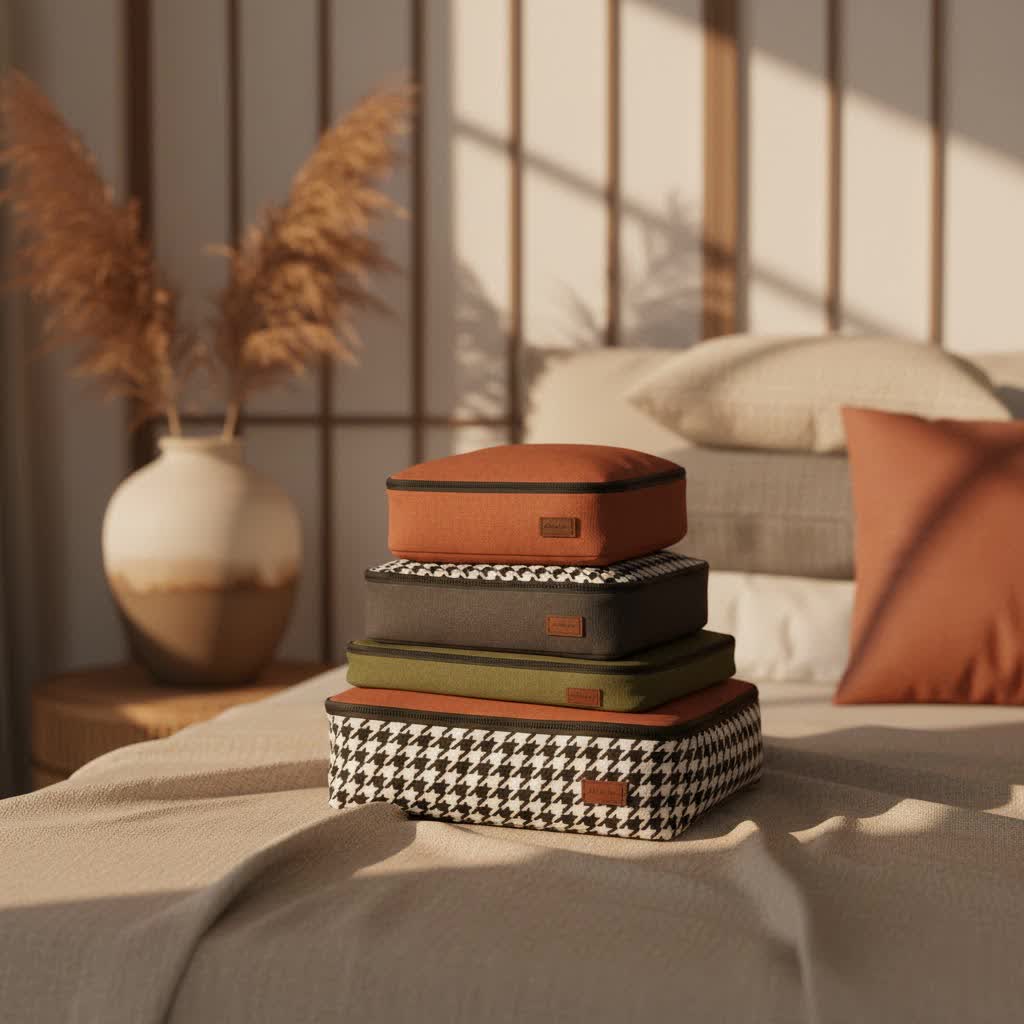
At their core, packing cubes are fabric organizers designed to compartmentalize your luggage, turning loose items into neat, stackable blocks. Compression packing cubes take this a step further by incorporating a clever mechanism—typically an extra zipper or system of straps—that actively reduces the volume of your clothing by squeezing out excess air. This innovative design means you can fit significantly more into your suitcase or backpack without the bulk.
Unlike standard packing cubes that primarily offer organizational benefits, compression cubes feature a dual-zipper system. The first zipper securely closes the cube around your packed items, while the second compression zipper works to cinch down the contents, often reducing their volume by 30-60%. This mechanical compression is distinct from vacuum storage bags, which require an external pump to remove air. Compression cubes offer a more convenient and portable solution for saving space on the go, making them ideal for multi-stop journeys where re-packing is frequent.
The Unbeatable Benefits of Compression Packing Cubes
Embracing compression packing cubes can transform your packing routine and enhance your entire travel experience. Their advantages extend far beyond mere aesthetics:
Maximizing Space
|
Our Picks for the Best Packing Cubes in 2026
As an Amazon Associate I earn from qualifying purchases.
|
||
| Num | Product | Action |
|---|---|---|
| 1 | Shacke Premium 5 Packing Cubes Set - Lightweight Mesh Travel Luggage Organizers with Laundry Bag, 5-Piece Suitcase Storage System (Black) |

|
| 2 | HOTOR Packing Cubes for Suitcases - 6 Pieces, Light Packing Cubes for Travel, Premium Suitcase Organizer Bags Set, Space-Saving Luggage Organizers, Travel Accessories and Essentials, Black |
|
| 3 | Aerotrunk Compression Packing Cubes for Travel - Luggage Organizer Bags - Double Zipper Packing Cubes for Suitcases (4-Pack, Rose) |
|
| 4 | BAGAIL 8 Set Packing Cubes Luggage Packing Organizers for Travel Accessories-Cream |
|
| 5 | Veken 10 Set/8 Set Packing Cubes for Travel Essentials, Suitcase Organizer Bags in 4 Sizes, Carry-On Luggage Accessories with Laundry & Toiletry Bag, Airplane Must-Have, Road Trip & Camp Gifts for Men |
|
| 6 | BAGAIL 4 Set/6 Set/8 Set Compression Packing Cubes Travel Accessories Expandable Packing Organizers (Half Mesh, 6-Black) |
|
| 7 | 10 Set Compression Packing Cubes for Travel Essentials,Compressible Expandable Packing Cubes for Suitcase,OlarHike Luggage Organizer Bags for Travel,Handy Helper for Organizing Clothes(Black) |
|
| 8 | 10 Set/8 Set Packing Cubes for Travel, Gifts for Women Mom,Anti-Tearing Suitcase Organizer for Luggage with Shoe & Hanging Toiletry Bag,OlarHike Vacation Essentials & Accessories for Cruise Ship,Cream |
|
| 9 | BAGAIL 6 Set/8 Set/10 Set Packing Cubes Various Sizes Packing Organizer for Travel Accessories Luggage Carry On Suitcase |
|
| 10 | Amazon Essentials 4-Piece Packing Cubes Travel Accessories Set, Luggage Organizer with Double Zipper, Mesh Top, 100% Polyester, Small, Black (Previously Amazon Basics) |
|
The most celebrated benefit is their ability to create more room in your luggage. By expelling trapped air, especially from bulky items like sweaters or jackets, compression cubes help you fit more essentials into smaller bags. This can be a game-changer for carry-on-only travelers or anyone looking to avoid checked bag fees. Travel + Leisure testers observed that compression cubes could save about 30 percent of total packing space, with some users reporting up to 60 percent compression for certain items.
Superior Organization
Beyond saving space, these cubes bring unparalleled order to your suitcase. You can categorize your clothing by type (tops, bottoms, underwear), by outfit, or even by family member, making it effortless to find what you need without disturbing the rest of your meticulously packed items. This structured approach means no more digging through a chaotic pile of clothes.
Wrinkle Reduction
While not entirely wrinkle-proof, compression cubes can significantly reduce creasing. When clothes are rolled or folded neatly and then tightly compressed, they have less room to shift and crinkle during transit. Proper packing within the cube, ensuring items are laid out to the cube’s shape rather than scrunched, further aids in keeping your garments smoother.
Protecting Your Essentials
The durable fabric shell of a packing cube adds a layer of protection against spills, dirt, and potential damage to your clothes. Water-resistant materials, often found in high-quality compression cubes, provide extra peace of mind, safeguarding your belongings from unforeseen accidents inside or outside your luggage.
Separating Dirty Laundry
Many travelers utilize an empty compression cube or a dedicated side/compartment within a cube to store dirty laundry. This keeps worn clothes separate from clean ones, preventing odors and grime from spreading, and making unpacking at home a breeze. Some cubes even feature built-in dividers for this purpose.
Choosing the Best Compression Packing Cubes: Key Factors to Consider
With a variety of options available, selecting the right compression packing cubes requires a thoughtful approach. Here’s what to keep in mind:
Material and Durability
Since compression cubes undergo more stress than regular ones, quality materials are paramount. Look for lightweight yet robust fabrics like ripstop nylon or high-denier polyester, which offer excellent tear resistance. Durable, smooth-gliding zippers, such as those from YKK, are crucial as they endure significant tension during compression. Water-resistant coatings are also a valuable feature for added protection and easy cleaning.
Size and Set Configuration
Consider your typical travel style and the size of your luggage. Sets often come with a variety of sizes (small, medium, large), allowing for versatile packing. Smaller cubes are perfect for underwear, socks, and accessories, while larger ones accommodate shirts, pants, and bulkier items. Some brands offer sets optimized for carry-on bags, while others cater to larger checked luggage. Think about whether you need multiple cubes of the same size or a diverse assortment.
Weight
While designed to make your luggage feel lighter by reducing bulk, the cubes themselves should be lightweight. Ultralight options, typically made from thin ripstop nylon, are ideal for backpackers or those strictly adhering to weight limits. However, ensure the material isn’t so thin it compromises durability.
Special Features
Beyond basic compression, some cubes offer additional conveniences:
- See-Through Panels: Mesh or semi-transparent fabric allows you to quickly identify contents without opening each cube.
- Grab Handles: Useful for easily pulling cubes out of your bag or carrying them.
- Expandable Laundry Pockets: Dedicated sections for dirty clothes.
- Antimicrobial Interior: Helps prevent odor buildup.
- Different Colored Zippers: To distinguish between the main opening and the compression zipper.
Price and Value
Compression packing cubes range in price based on brand, materials, and features. While budget-friendly options can be a good starting point, investing in a higher-quality set often translates to better durability and more effective compression in the long run. Consider the number of cubes in a set and their individual value.
Top Picks for Compression Packing Cubes
Based on extensive testing and user reviews, several brands consistently stand out for their performance and quality.
| Thương hiệu | Material | Key Features | Pros | Cons | Price Range |
|---|---|---|---|---|---|
| BAGSMART Blast | Polyester | Water-resistant, 6-piece set (incl. shoe bag), different sizes | Excellent value, effective compression, durable fabric, smooth zippers | Limited size variety within the set, compression zippers can snag if not careful | Budget-friendly |
| Thule | Ripstop Nylon | Water-resistant, YKK zippers, sturdy stitching, structured shape | Highly durable, strong compression, water-repellent, sleek design, holds shape well | Smaller sets (often 2-piece), higher price point, limited size range | Premium |
| Monos Compressible | Nylon Twill | Antimicrobial interior, mesh panels, 6-piece set, up to 60% compression | High quality, tear-resistant, excellent space savings, stylish, structured yet foldable | Most expensive option, can be harder to compress if overfilled | Premium |
| Eagle Creek Pack-It Isolate | Recycled Nylon | Ultralight, PFC/PFA free, smooth zippers | Extremely lightweight, sustainable materials, good compression for thin fabric | Can feel thin, less robust than heavier-duty options | Mid-range to Premium |
| Peak Design | Nylon, Polyester, Hypalon | Self-healing materials, quick-access design, variety of set options | Very durable, unique quick access, good compression, versatile sets | Higher price point, unbranded zippers (though reliable in testing) | Premium |
Tips for Maximizing Your Compression Packing Cube Experience
To get the most out of your compression packing cubes and truly master the art of efficient packing, consider these expert tips:
- Roll, Don’t Fold (Mostly): For many items, rolling clothes tightly can maximize space and minimize wrinkles within the cubes. However, some prefer folding for bulkier items or to fit the exact dimensions of the cube for less creasing. Experiment to find what works best for different garments.
- Don’t Overfill: While compression cubes are designed to handle volume, trying to stuff them beyond a reasonable capacity can strain zippers and lead to more wrinkles. Aim for about 80% fullness before attempting compression.
- Utilize Different Sizes: Strategically use different sized cubes for different items. Small cubes are great for socks, underwear, and chargers; medium for t-shirts and shorts; large for pants, sweaters, or jackets.
- Guide the Zipper: When engaging the compression zipper, use your fingers to gently guide the fabric away from the zipper teeth. This prevents snags and ensures a smoother, more effective compression.
- Categorize Smartly: Assign specific categories or even outfits to individual cubes. This not only keeps things organized but also makes unpacking at your destination incredibly easy – simply pull out the cube you need.
- Clean Regularly: Most synthetic fabrics used in packing cubes can be spot cleaned with a damp cloth. Check care labels, as some are machine washable, to keep them fresh and hygienic for every trip.
Conclusion
Compression packing cubes are more than just a travel accessory; they are an investment in a more organized, efficient, and stress-free travel experience. By mastering the art of space-saving and organization, you can say goodbye to overflowing suitcases and hello to smooth, seamless journeys. Whether you’re a minimalist traveler or an adventurous overpacker, integrating these smart tools into your routine will undoubtedly enhance your travels. Ready to transform your packing? Explore the best compression packing cubes and embark on your next adventure with unparalleled ease.
What innovative packing strategies have helped you revolutionize your travel?
Frequently Asked Questions
Do compression packing cubes actually save space?
Yes, absolutely! Compression packing cubes are specifically designed with an extra zipper or strap system that works to squeeze out excess air from your clothes, thereby reducing their overall volume. Depending on the type of clothing packed, they can typically save 30-60% of space in your luggage, making it easier to fit more items or downsize to a smaller bag.
Are compression packing cubes better than vacuum bags?
Compression packing cubes and vacuum bags serve similar space-saving purposes but differ in method. Compression cubes use mechanical zippers or straps and don’t require external tools, making them convenient for re-packing during a trip. Vacuum bags, while offering superior compression for bulkier items by removing nearly all air with a pump, can heavily wrinkle clothes and are less practical for frequent use mid-journey. For most travelers, compression packing cubes offer a better balance of space-saving, organization, and ease of use.
Do compression packing cubes wrinkle clothes?
Compression packing cubes can make clothes more prone to wrinkling if delicate fabrics are crammed in or if the cubes are severely overfilled. However, by rolling your clothes tightly, folding them neatly to fit the cube’s shape, and avoiding excessive overstuffing, you can significantly minimize wrinkles. Many travelers find the organizational benefits and space-saving outweigh minor creasing, especially when paired with wrinkle-release sprays or travel steamers.
How many packing cubes do I need?
The ideal number of packing cubes depends on your travel style, trip duration, and luggage size. For shorter trips or carry-on travel, a set of 2-4 cubes in varying sizes might suffice. For longer journeys, family travel, or those who prefer extensive categorization, a set of 5-6 cubes or more could be beneficial. Consider purchasing a set with a mix of small, medium, and large cubes to accommodate different types of clothing and items.
